
Painting a pre-war co-op on the Upper East Side takes three kinds of planning that a newer apartment mostly doesn't need. The walls and trim need more prep. The apartment, the hallway and the elevator all need protecting. And the job has to fit inside hours the building sets, not hours the painter would pick.
This post covers those three things in the order we'd plan them. If you're still collecting prices, start with our guide to comparing written painting quotes on the Upper East Side or our overview of what it costs to paint a Manhattan apartment. This one is about how the work actually gets done.
What you're working with
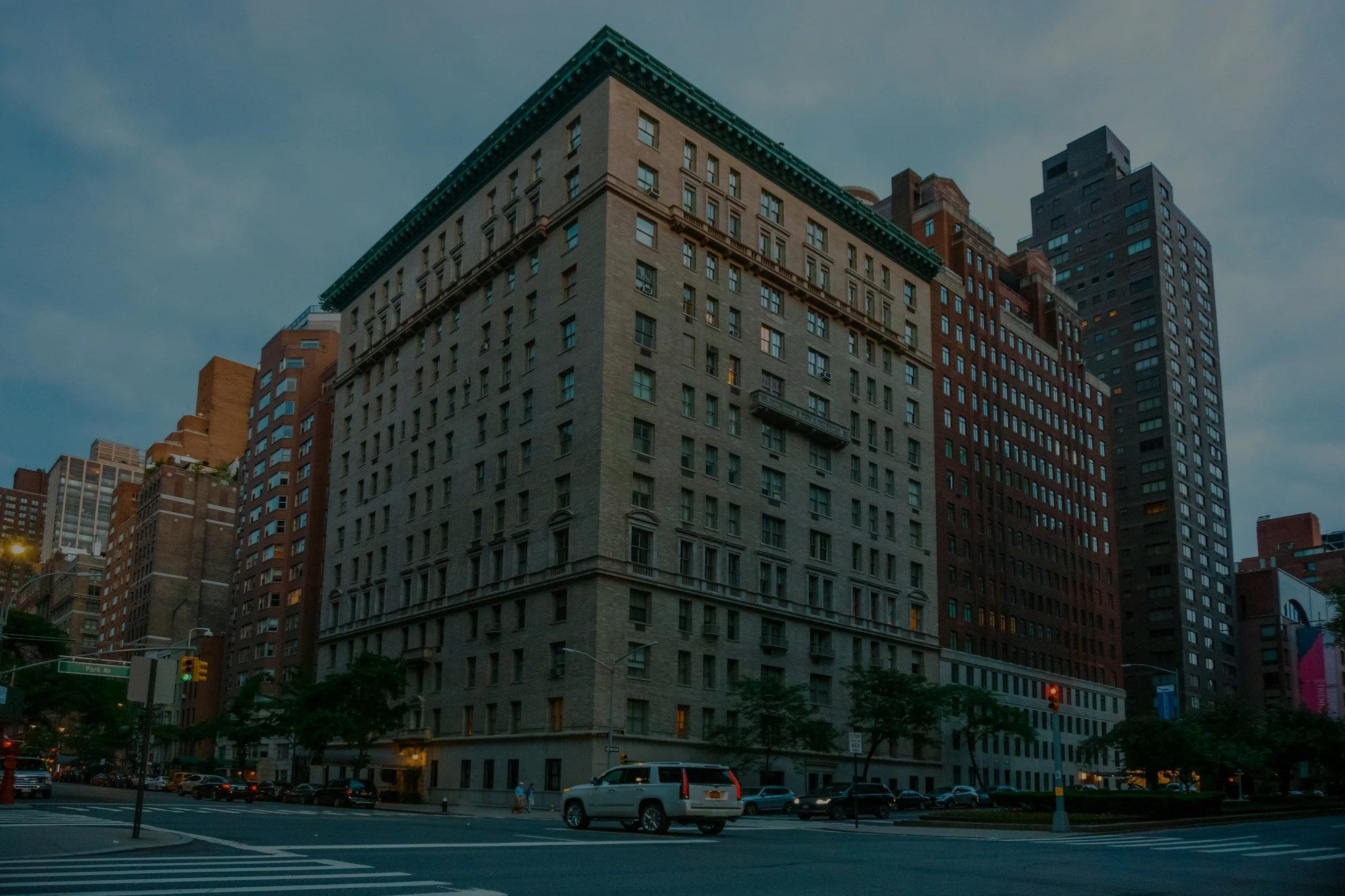
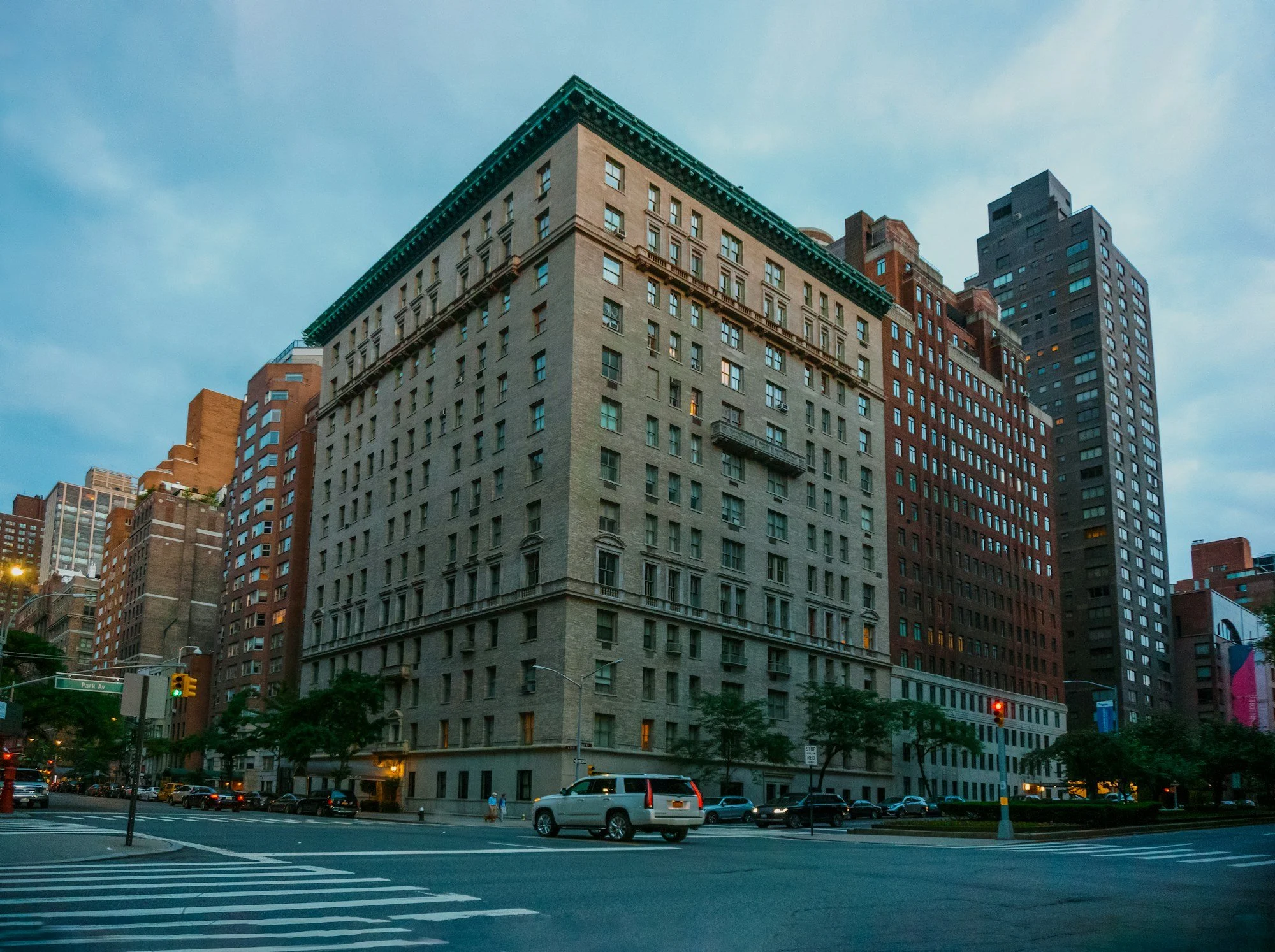
The Upper East Side Historic District, designated by the Landmarks Preservation Commission on May 19, 1981 (LPC district map), takes in a long run of Fifth, Madison and Park Avenue apartment houses. Plenty of pre-war co-ops sit outside the district too. The Elevated team at Compass describes the classic six in its guide to selling one on the Upper East Side: most are in "limestone and brick buildings on Fifth, Park, Madison and Lexington Avenues and the side streets between them, built in the 1910s and 1920s with high ceilings, plaster walls, wood-burning fireplaces in many cases."
For a painter, that sentence is the job. High ceilings mean more wall area and ladder work. Plaster means a different kind of repair than drywall. Apartments from that era usually have deep window casings, paneled doors, picture rail or crown molding, and baseboards with a lot of old paint on them. Then there's the building itself, with a doorman, a super, a service elevator and an alteration agreement.
A quick note on landmarks. Repainting the inside of your apartment doesn't need an LPC permit. LPC's permits page says interior work needs one only when it also needs a Buildings Department permit, when it affects the exterior, or when the interior is a designated interior landmark. The Buildings Department lists painting and plastering among work that does not need a permit. Your co-op's own rules still apply, and those are what shape most of the schedule.
Prep: plaster first, then trim
Reading the plaster
Old plaster is hard and durable, and it shows its age in a few predictable ways. The National Park Service's Preservation Brief 21 on repairing historic flat plaster is the best plain-language guide we know of. A few points from it change how a painter should price and plan:
Hairline cracks "are not a serious cause for concern as long as the underlying plaster is in good condition," and can be filled.
Diagonal cracks that start at the corner of a door or window frame are usually stress cracks from movement in the wall.
Horizontal cracks often come from lath movement and can come back "year after year."
Loose or bowed plaster means the plaster has lost its key, the grip it had on the lath. If it isn't repaired, "especially to ceilings, gravity will simply cause chunks of plaster to fall to the floor."
A crack that seems to be growing is a job for a structural engineer, not a painter.
So the walkthrough before a quote should include pressing on suspicious areas, looking at ceilings with a light held flat to the surface, and marking anything that moves. A crack that keeps coming back in the same spot usually needs tape or mesh set into the patch, not just filler. Hoboken Painter's guide to painting brownstone plaster walls walks through the same steps for row-house plaster: open the crack slightly, fill, reattach loose sections, and skim-coat where the patching has piled up.
Two product-sheet details are worth knowing. Benjamin Moore's Fresh Start primer data sheet says not to sand plaster: protrusions get knifed off, and plaster gets primed before and after patching compound goes on. The same sheet says new plaster must cure for 30 days before it's painted. If a plasterer replaces a section of wall, that wait goes into the schedule.
Trim with a long history
Pre-war trim has usually been painted many times, often with oil-based paint in the older layers. Latex over glossy oil can peel, so the trim needs cleaning, a scuff sand and a bonding primer before the finish coats. Our Upper West Side post on painting walls, ceilings and trim explains why trim is the slowest surface in an older apartment and how it's usually priced.
Lead, and why it changes the prep
This is where a pre-war co-op differs most from a newer building. The city's HPD safe work practices page says that in buildings built before 1978, lead-safe work practices should be used for work that disturbs 2 square feet or more of paint in a room, or 10% or more of the surface of a small component. HPD adds that this applies "whether or not there are any children in the specific unit or building," because federal rules presume pre-1978 housing has some lead paint.
Federal rules work alongside the city's. EPA's Renovation, Repair and Painting program applies to paid work that disturbs paint in housing built before 1978. Its minor-repair exception covers only six square feet or less of paint per room inside. Scraping and sanding the trim in one room of a classic six goes past that quickly.
What that means in practice comes from the federal work practice standards:
Furniture, rugs and window coverings come out of the work area or get covered with taped, sealed plastic.
Floors get taped-down plastic sheeting at least 6 feet beyond the surfaces being worked on.
Doors to the work area are covered so dust stays inside.
Open-flame burning is prohibited. Heat guns are allowed only below 1,100°F. Power sanders need a shroud and a HEPA vacuum attachment.
Cleanup includes HEPA vacuuming, wiping walls from the ceiling down, and a cleaning check with verification cards.
HPD's page also says that under Local Law 1, larger jobs, meaning more than 100 square feet of paint disturbed in a room or two or more painted windows removed, have added requirements for the type of firm and the paperwork, and that independent dust clearance testing is required in those cases. If a child under 6 lives in the apartment or spends 10 or more hours a week there, ask about this before the work is scheduled.
None of this is optional extra work. It is how the job has to be done. Ask anyone quoting your apartment how they'll contain dust, what they'll do about the trim, and whether their firm and the person doing the work are certified. Then get the answers in writing.
Protection: the apartment and the building
Inside the apartment
Pre-war apartments usually have the things you least want paint or plaster dust on: herringbone or parquet floors, built-in bookcases, marble fireplace surrounds, original hardware. A good protection plan covers:
Floors. Taped protection on traffic paths, not just loose drop cloths that slide and let dust under. In rooms where lead-safe practices apply, the plastic sheeting described above.
Furniture. Moved to the center of the room and wrapped, or moved out of the room. Fragile pieces and art come out before the crew arrives.
Hardware. Door knobs, plates and window lifts come off and get bagged and labeled by room, instead of being taped over and painted around.
Fireplaces and built-ins. Masked and covered. If the mantel itself is getting painted, that's a separate line in the quote.
Radiators. Covered if they aren't being painted. See the next section if they are.
Steam radiators and the heat season
If your apartment has radiators, they affect the schedule. HPD's heat and hot water rules set "Heat Season" from October 1 to May 31, when buildings must keep apartments at least 68°F during the day when it's below 55°F outside.
Benjamin Moore's guide to painting radiators and vents says the radiator should be turned off and completely cooled before painting, the valves should not be painted, and the paint should dry for at least 24 hours before the heat comes back on. The same guide says most premium interior latex will withstand temperatures up to 180°F, so a radiator can usually be painted to match the wall. Its step-by-step radiator page also says to tape off the control and air vent valves.
In a co-op, you may not control the heat. Ask the super how a single radiator can be shut off, or plan radiator painting for the warmer months. A radiator with peeling old paint is also a painted surface for lead purposes, so scraping it falls under the same rules as the trim.
The building's common areas
Your co-op will usually have rules about how a crew gets in and out. Common requirements include padding in the service elevator, protection on the hallway floor between the elevator and your door, and debris going out through the service entrance. The exact rules are in your alteration agreement or house rules, and they differ from building to building. Get a copy from the managing agent before the job is scheduled and give it to your painter. Our Upper East Side quotes post lists the building requirements worth checking before you sign.
Scheduling: fitting the job into the building's hours
Work hours
Co-ops set their own work hours, usually much shorter than a normal construction day. Coverage in The Cooperator on alteration rules describes the traditional pattern as Monday through Friday, 9 a.m. to 5 p.m., with no weekends or holidays. The same article notes that some buildings allow quiet work, such as painting, on Saturdays. It also says some buildings limit how many renovations can run at once, and some boards allow work only in the summer.
Two things follow from that. First, a short workday has less painting in it. If the crew can't start until 9 and has to be packed up, cleaned up and out of the service elevator by 5, more of each day goes to setup and breakdown. Second, ask whether your building's summer rule or limit on overlapping jobs covers painting at all. Some buildings treat painting as quiet work and some don't. That's a question for the managing agent, not a guess.
Drying and recoat times
Product data sheets set the minimum time between coats, and on trim it's longer than most people expect:
Wall paint: Benjamin Moore's Regal Select flat data sheet lists 1 hour to touch and 1 to 2 hours to recoat at 77°F and 50% humidity.
Primer: the Fresh Start data sheet lists 2 hours to recoat.
Trim enamel: Benjamin Moore's Advance satin data sheet lists 4 to 6 hours to touch and 16 hours to recoat. It also says full hardness can take up to 30 days.
All three sheets say that cool temperatures and high humidity stretch those times. In practice, walls can take two coats in a day. A waterborne alkyd on trim usually means one coat a day, so doors and casings set the pace of the job. Advance also needs a surface temperature of at least 50°F, which matters in a room with a window that has been open all day.
Putting it in order
For a typical pre-war apartment, we'd sequence the work like this:
Paperwork and building approval. Alteration agreement or house rules, insurance certificates, elevator booking. Nothing gets scheduled until this is done.
Pack and protect. Clear and cover rooms, remove hardware, set up floor protection and, where needed, lead-safe containment.
Plaster repairs. Repairs that need several passes, or that cure before priming, go first so they're ready when painting starts.
Prime. Patches, bare plaster and glossy trim.
Ceilings, then walls.
Trim last, one coat a day, doors and windows included.
Cleanup and walkthrough. Hardware goes back on, protection comes up, and the punch list gets done in the same visit.
If you live in the apartment during the work, it can be done room by room, so one bedroom and one bathroom stay usable each night. That usually takes more days than painting an empty apartment, because the crew moves protection and furniture more often. Our Chelsea post explains how layout and prep change the scope, and our West Village post covers how prep, detail and access add time in older apartments.
If you're painting before a sale
Many Upper East Side owners repaint just before listing. In the Elevated guide linked above, the team lists "light repairs, paint and staging" among the steps they take to prepare a classic six for sale. If that's your plan, work backward from the listing date. Building approval, plaster repairs and trim that takes one coat a day all take time, and you don't want the photographer arriving while the trim is still curing.
A checklist before you book
Get a copy of your building's alteration agreement or house rules, and ask whether painting needs board or managing-agent sign-off.
Confirm the permitted work hours, any Saturday allowance, and whether a summer rule or a limit on overlapping jobs applies to painting.
Book the service elevator and ask what protection the building requires in the car and hallway.
Walk the plaster with the painter. Agree on which cracks get filled, which get taped and which areas need reattaching or skim-coating.
Ask how lead-safe practices will be handled on trim, windows and radiators, and get the answer in writing.
If radiators are being painted, plan when the heat can be off in those rooms.
Ask for a day-by-day sequence, with trim recoat time built in.
Getting a quote you can plan around
If you'd like a written scope for your apartment with the prep, protection and sequence spelled out, request a free estimate and send us your building's rules along with photos. For a rough number before anyone visits, the NYC Painters apartment painting cost calculator gives a starting range by apartment size.